
Curious about somatic therapy? Here’s what it actually is, and why it works
I’ve really noticed in 2026 that more people than ever seem to be finding out about somatic therapy, as an alternative to traditional talk therapy. It’s great that people are learning more about the power of somatic work and embodiment practices.
I get a lot of enquiries about 1:1 somatic therapy, and there are some common themes in why people want to try it out. They most commonly want to experience their emotions and feel more present in everyday life, rather than feeling stuck in overthinking and analysing their every experience. Many people have been through pain in life that they need support with processing, as somewhere along the way, they tried to move on while their body still feels the tension of unprocessed emotion.
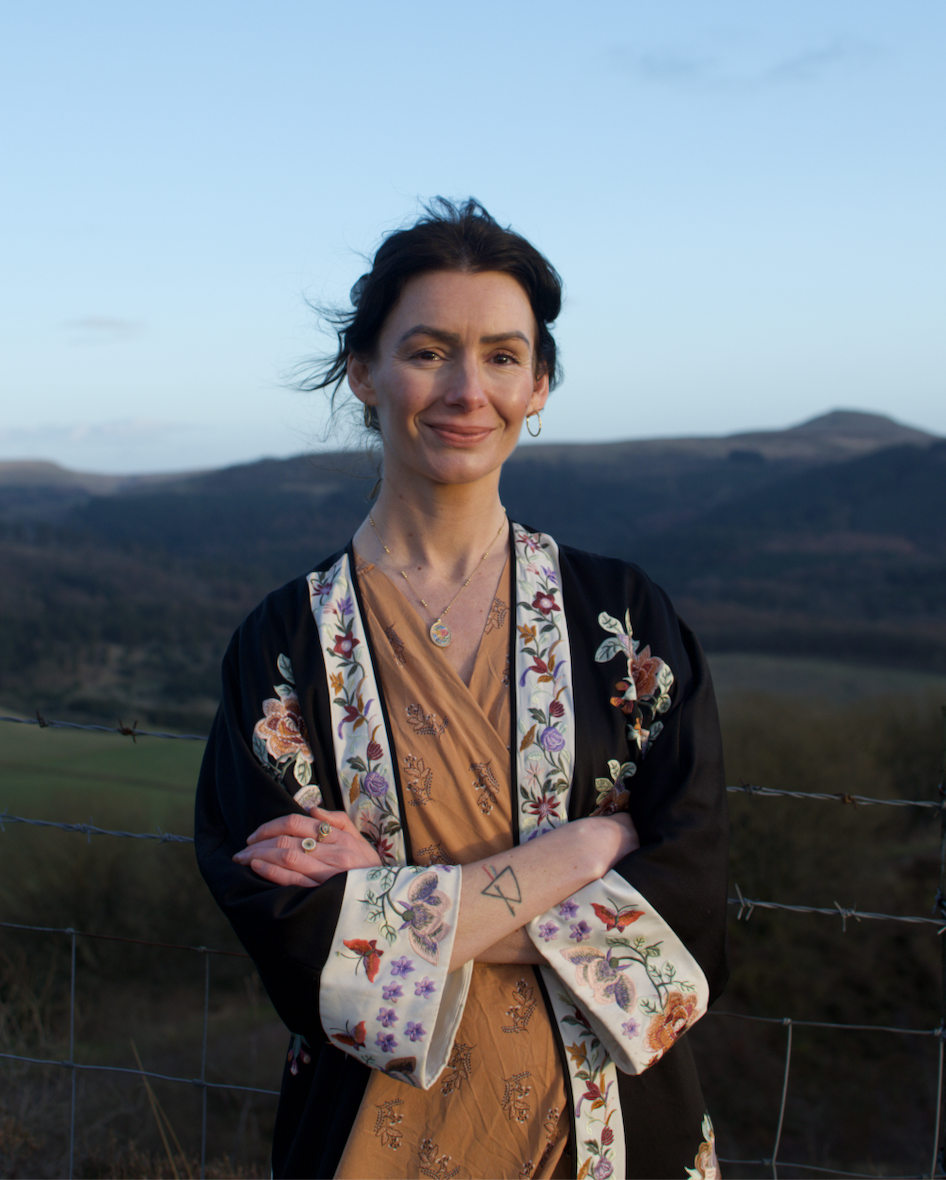
I love helping people quieten their mind, listen to their body, and trust their inner voice.
To find ‘The Loud Quiet’ for themselves.
When you get quiet with yourself, your inner voice gets too loud to ignore…
What is somatic therapy?
Somatic therapy is, in a nutshell, body-based therapy, which works with your emotions, sensations and nervous system to nurture the mind-body connection. Unlike traditional talk therapy (which I have also trained in, to level 3), it doesn’t aim to uncover stories and thoughts in order to find healing. While life events and formative experiences are still a part of somatic therapy (inner child work, in particular, as so many of our current emotions and bodily patterns stem from a young age), the aim is to help you get better at feeling, not to help you think more productive thoughts or articulate something revealing. (I’m oversimplifying talk therapy, I know, but this is the main difference. explained as simply as possible.)
The focus on feeling emotions is crucial because in western culture, we’re not taught to pay close attention to the way we feel, and let our emotions guide us; and they’re so full of powerful information about ourselves, our values and how we relate to others. Our body’s wisdom is deprioritised below cognitive intelligence and being a good thinker. Especially in the UK, emotions are very commonly repressed as people don’t know how to respond to authentic human expression; we think there’s something ‘wrong’ if someone cries, or if we want to cry. So many of us push it back down before we’ve had a chance to feel anything. Stiff upper lip, and all that.
All of those incomplete emotions are stored in our body’s cellular memory, impacting us in many different ways. Repressing what we feel not only leads to stress and issues with emotional regulation, it’s also linked to physical tension, illness and disease. There are many studies that have revealed the critical role of emotions in our mental and physical health.
The technique I’m qualified in is somatic enquiry, which supports a more embodied, truthful understanding of triggers, old patterns and core wounds. In essence, this means it goes beyond intellectualising and repetitive mental narratives; it goes deeper than the stories you’ve become so familiar with (as true as they may be, there are always deeper layers of conditioning that have formed our ways of being in the world).
We start with discussing your current challenges, and what isn’t working in life. Then, in a two-way, experiential dialogue, I gently enquire around what you’re noticing in your body, and guide you to safely experience emotions and bodily sensations. Clarity emerges through presence, as we talk through what happens moment by moment.
We don’t look to explain why emotions are coming up, or why you’re noticing tension in a certain area. Therefore, it isn’t forced healing and you’re never expected to ‘perform’ an emotional release. Powerful shifts and new insights will arise naturally from your felt experience, while leading you to a profound place of awareness.
Here’s a breakdown of the typical format a 1:1 somatic therapy session follows.
1. We begin by discussing what brings you to the session
~ e.g. challenges you've been struggling with lately (or for a long time)
~ Emotions, patterns, pain or tension you'd like support with
~ Or ways you'd like your relationship with yourself to change
2. I guide you to bring presence to sensations in your body
~ I invite you to close your eyes (if you feel comfortable to), and support you to focus your awareness on your felt sense
~ We start to gently talk through what you’re noticing in your body
~ There’s no touch involved; you’ll be seated comfortably throughout
3. You're given plenty of space to experience what arises
~ We maintain a curious awareness of sensations, emotions, resistance, and anything else you notice in each moment
~ Exploring and naming what your body is holding at your pace, compassionately and non-judgementally
~ Without an agenda, needing anything to change or to get anything ‘right’
4. I offer gentle enquiries around what comes up
~ We nurture a deeper, embodied, felt understanding of the body's patterns and protective responses
~ We practise surrendered awareness; no intellectual analysing, going into stories in the mind, or needing to ‘fix’
~ e.g. ‘As you give space to that sensation/emotion, what do you notice?’
5. We slowly transition out of the somatic enquiry process
~ I support you in feeling grounded and integrating your experience before the session ends
~ You’ll have time to reflect on anything that came up, and reconnect with your original intention
Read more below on the 1:1 sessions I offer as a trauma-informed somatic practitioner.
Here are a few excerpts of testimonials from people who’ve worked with me 1:1:
“You can connect with your true self in such a short space of time”
“I feel lighter and clear-headed in ways I don’t really understand and don’t want to examine too closely.”
“I ended up exploring some deep themes in a way that has continued to prove very fruitful.”“Just what was needed at a time of overwhelm and inability to find clarity.”
“The work we have done has been incredibly profound and meaningful.”
“Becky was able to hold me and take me to a very deep place.”
You can find out more about my 12-week 1:1 somatic therapy programme on this page, or feel free to email me: hello@theloudquiet.co.uk.
Becky x

Follow me on Instagram for regular updates and personal shares
Or join The Loud Quiet newsletter to receive weekly writings, news and events.
